

Top 5 Reasons for Trailer Rejection (and How to Avoid Them)
A Practical Guide for Fleet Owners and Operators
Trailer rejection is annoying. It’s disruptive and costly for fleets of all sizes. Even a single rejected trailer can cause cascading delays across your delivery network. Trailer rejection can also be unpredictable, especially in larger fleets with aging trailers.
The good news? In many cases, rejections stem from preventable floor-related issues. Let’s explore the top five reasons trailers are rejected, as well as practical steps you can take to reduce risk and extend your trailer floor’s service life.
1
Damage
Cracks, broken boards, impact damage and light leaks immediately raise red flags for shippers. Weaker floors can create trip hazards for forklift operators or lead to further structural failure when put under heavy load cycles.
Damage is also natural to freight hauling or operation. It’s often the result of regular wear and tear, putting older trailers at the highest risk of damage-based rejection. And if your trailer is involved in dedicated abusive operations, this issue is compounded. Short haul trailer floors are exposed to more frequent loading, forklift traffic and a specific type of freight. Over time, repeated impacts at the docks can fatigue weaker floors.
How To Avoid It
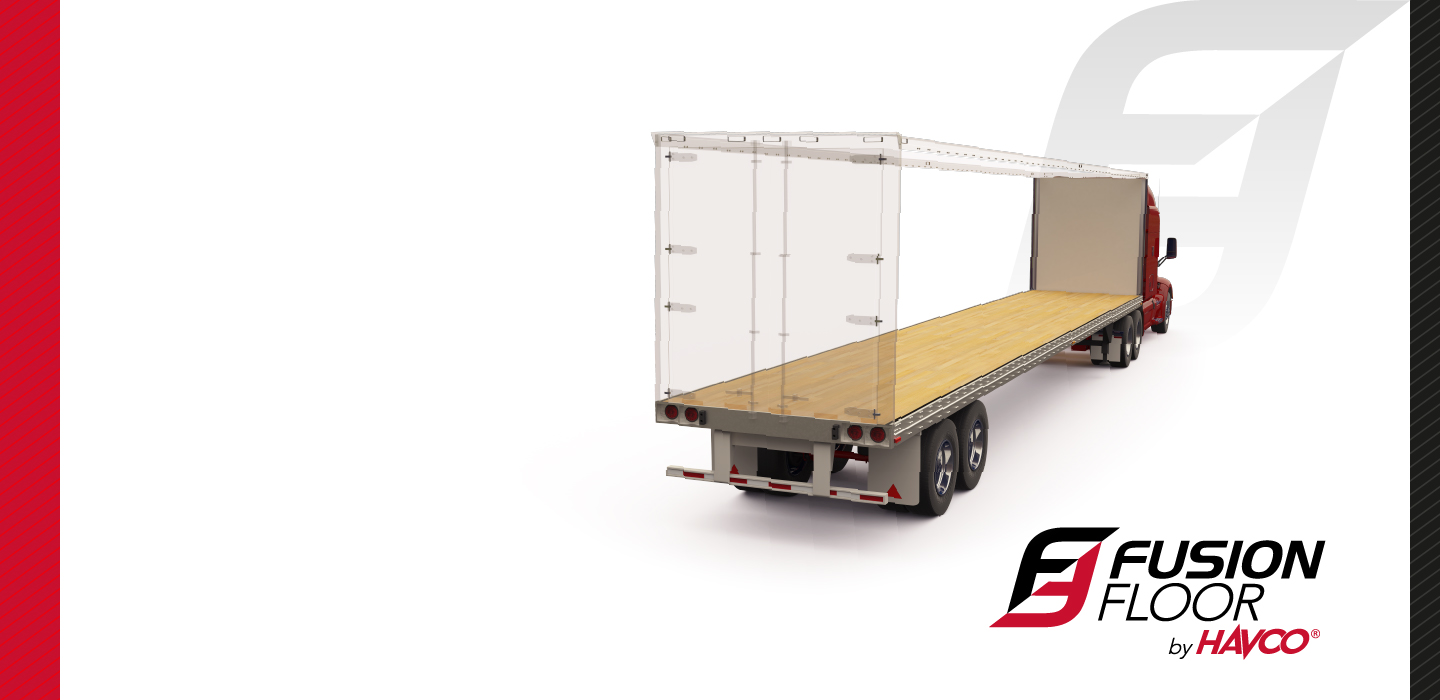
Specify flooring that is engineered for frequent, high-impact environments, not just static load ratings. Composite floors, like Fusion Floor® by Havco®, are great options. Fusion Floor was developed to address long-term fatigue and impact-based damage. It combines a high-strength fiber-reinforced composite layer with 100% laminated oak. This construction helps distribute loads more evenly, reduce crack propagation and maintain performance under repeated load cycles.
Also, inspect floors regularly for early signs of cracking before damage spreads. Promptly address minor damage by replacing affected boards and sealing all the floor seams afterward to prevent moisture ingress.
2
Signs of Rot or Moisture Damage
For shippers, dark stains, soft spots, delamination or a musty odor are all indicators of moisture damage. These signs suggest a high risk of cargo contamination or floor failure during loading. Fleets transporting liquids or operating in wet climates are more likely to receive moisture and rot damage. It’s a significant problem for fleets, especially when shipping cargo that’s vulnerable to moisture (like paper, pharmaceuticals, food and other consumer products).
How To Avoid It
The simplest way to protect against moisture is to seal your trailer flooring with an aftermarket sealant, like Floor Shield. Havco also offers factory-applied coatings to new laminated oak flooring, adding a permanent PUR moisture barrier to the top or bottom of your floors. HD TopCoat® is a hot melt polyurethane coating that seals and protects the top side and HD UnderCoat® protects against road spray and highway chemicals on the underside of trailer floors. Also, inspect your trailer roof and sidewalls to ensure there are no leaks where water can seep through them.
When purchasing a new trailer floor, choose a hardwood with proven natural decay resistance, like oak. This is why Havco only uses 100% oak hardwood as its flooring lumber. Havco lumber is also dried in-house using a custom drying process to ensure a high quality. This helps with good bonding of wood components, dimension control and proper installation of boards in trailers.
3
Contamination (Oil or Chemical Residue)
Chemical-related contamination can result in immediate trailer rejection. This includes oil stains, chemical residue and unidentified spills. For food cargo, rejection is even more likely. The FDA Food Safety Modernization Act (FSMA) has strict rules regarding the sanitary transportation of human and animal food. Trailers are required to be clean, dry and free of contamination.
For paper cargo, the standards are high as well. Shippers often apply strict internal inspection standards driven by customer requirements and insurance risks. So, even if your floors are structurally sound, contamination is still a real liability. And in LTL service, freight may be placed directly on the floor without a pallet, thus increasing risk of contamination.
How To Avoid It
Protect floors with coatings that seal the surface and prevent absorption. Regularly inspect for spills and immediately clean them before they soak into the wood. Finally, train your maintenance crews to recognize when staining is cosmetic or signals deeper contamination. Penetrating chemicals and solvents will emit a persistent odor even after cleaning.
If you have Havco flooring, reach out to our customer support team for additional training assistance. Havco often works with customers to keep their Havco flooring in optimal condition.
4
Exposed Fasteners, Gouges and Splintering
Another common cause of trailer rejection is risk to dock workers’ safety. Protruding fasteners, raised nail heads, gouges and splintered boards pose a direct risk to personnel, as well as freight, pallets and loading equipment. Shippers will often reject a trailer immediately rather than risk damaged goods or injury claims.
How To Avoid It
Use flooring with strong fastener-holding and split resistance characteristics. Flooring manufactured from laminated, decay-resistant oak with a consistent density will provide better performance. Havco laminated oak flooring features a uniform construction, controlled moisture content and high-performance melamine glue adhesives.
Also, when inspecting trailers, look closely for splintering wood or loose fasteners in high-traffic zones (for example, in the rear third of the trailer). Address any fastener issues before they become visible or hazardous. Finally, avoid flooring made of straight-grained wood that is prone to nail splitting.
5
Structural Concerns
Sagging floors, excessive deflection of crossmembers, broken floor screws or visible movement of wood components under forklift traffic could indicate a potential structural failure. Even if the floor hasn’t failed yet, shippers might risk a collapse during loading. Structural weakness is common in older floors, often the result of long-term fatigue from heavy, repeated loads. Newer floors are also at risk, especially if they’re not matched to real-world load conditions or lack proper crossmember support.
How To Avoid It
The best solution starts at the purchase stage. Choose a trailer floor with proven performance under dynamic loads. Fusion Floor excels at this. It features a composite construction that combines a rigid, glass fiber–reinforced epoxy layer with 100% laminated oak. It’s engineered to distribute loads more evenly and resist fatigue over thousands of load cycles. Decades of real-world testing have proven Fusion Floor’s ability to maintain its structural integrity, even in highly demanding conditions.
Also, when purchasing new trailer flooring, choose a floor design that matches your actual service conditions (not best-case scenarios). Consider things like load frequency, load weights (including heavy forklifts during loading) and freight mix. Avoid overloading trailers beyond their designated limits, and track your floor’s age/usage to identify when it’s at higher risk for structural issues.