Trailer Flooring Insights: Materials, Performance and Real-World Durability

Dry van trailer flooring performance is shaped by a combination of material selection, environmental exposure and construction methods. Understanding how these factors interact can help fleets make more informed decisions around durability, maintenance and long-term costs.

Explore articles and insights covering trailer flooring performance, common challenges and the factors that influence lifespan in real-world operating conditions.

Trailer Floor Resources and Insights

The Long-Term Impact of Trailer Rejection

The true cost of a dry van trailer floor can be far more than its initial price. Learn how premature floor failures can lead to rejected loads, costly downtime, damaged freight and other costly setbacks. Plus, find out what fleets should look for when choosing a floor that’s built to last.

Learn More

Know Your Woods

Oak is the predominant material used for wood flooring in the dry van trailer industry — but not all hardwood performs the same. Learn how species selection affects decay resistance, strength and long-term performance across real operating conditions.

Learn More

How Moisture Causes
Trailer Floor Failure

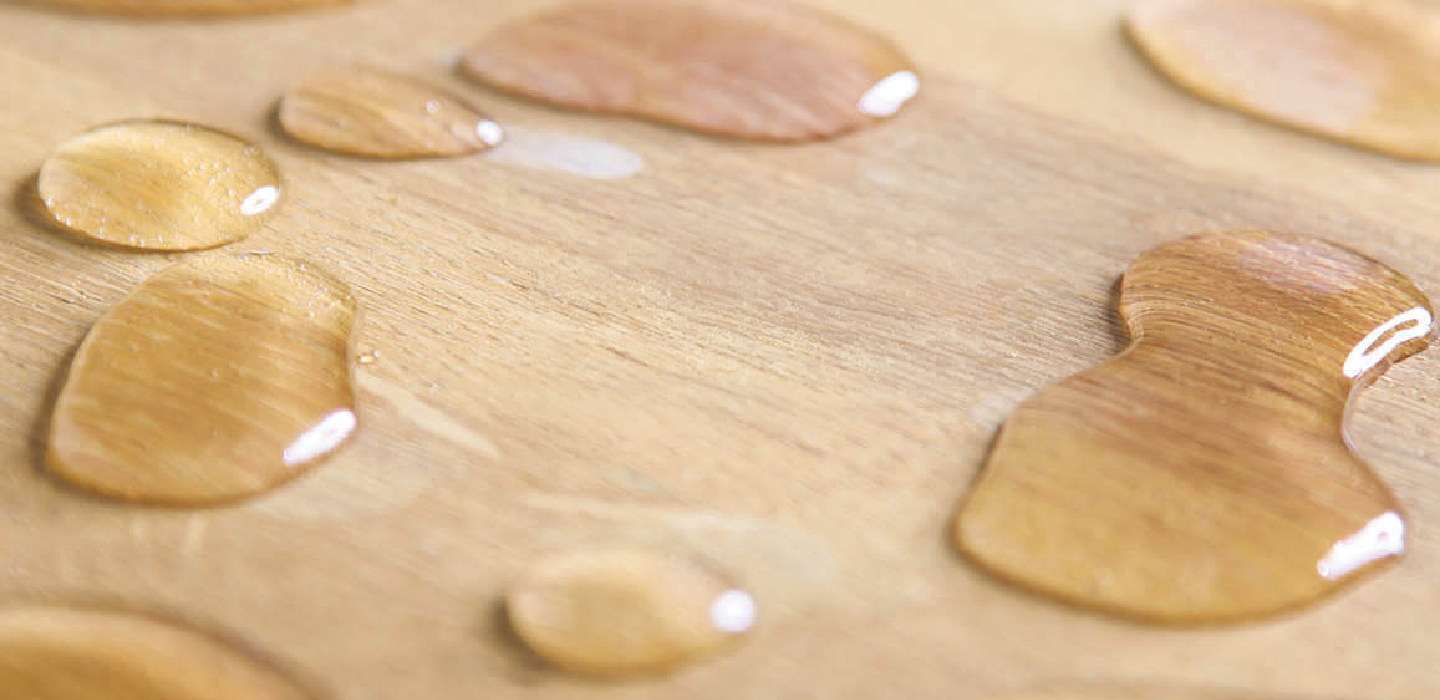
Dry van trailer floors don’t fail overnight. Moisture from road spray, freight and washdowns gradually weakens wood fibers, leading to rot, delamination and structural loss. See how damage progresses and how design impacts lifespan.

Learn More

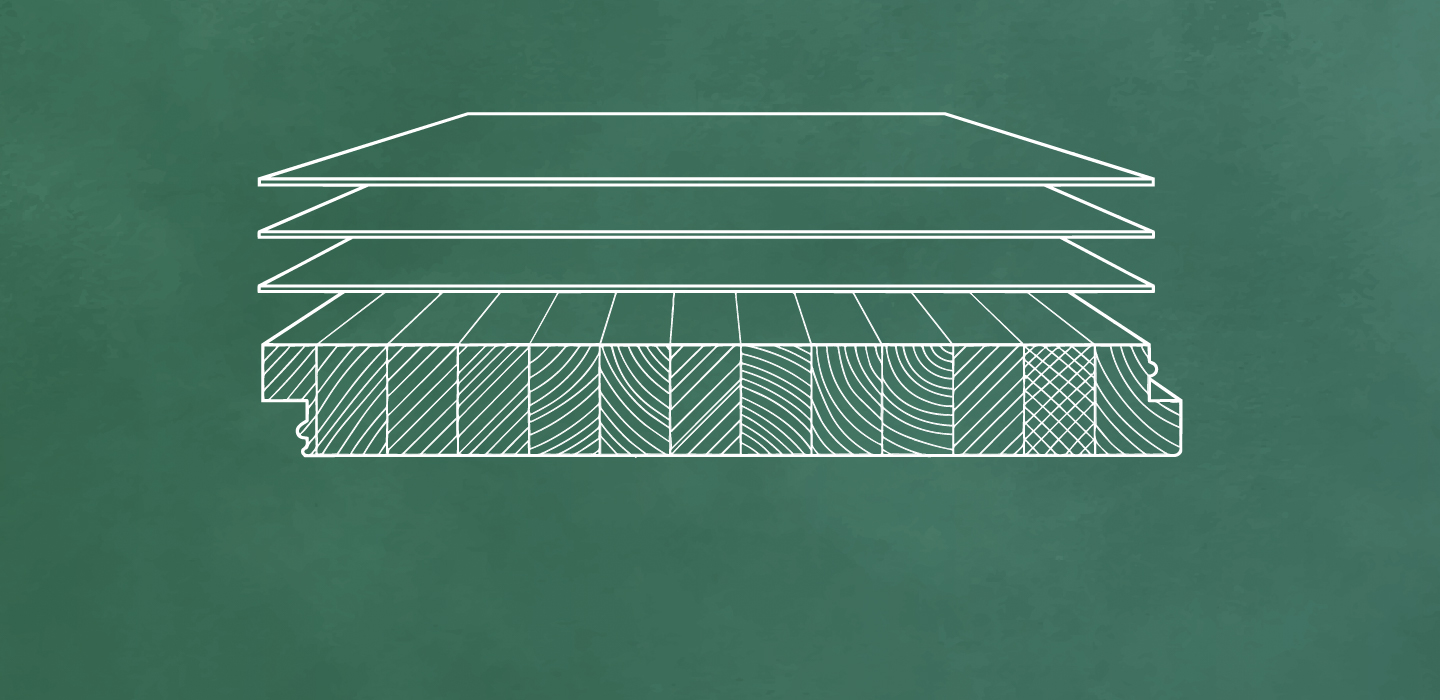
What Goes into a Dry Van Trailer Floor Determines What You Get Out of It

Most floor failures start long before damage appears. From fatigue resistance to moisture management, see how construction methods determine service life, maintenance frequency and long-term costs.

Learn More

Top 5 Causes of Trailer Rejection
(and How To Avoid Them)

Moisture damage, structural weakness, contamination and safety hazards are leading causes of trailer rejection. Learn how to identify risks and reduce delays, costs and operational disruptions.

Learn More